
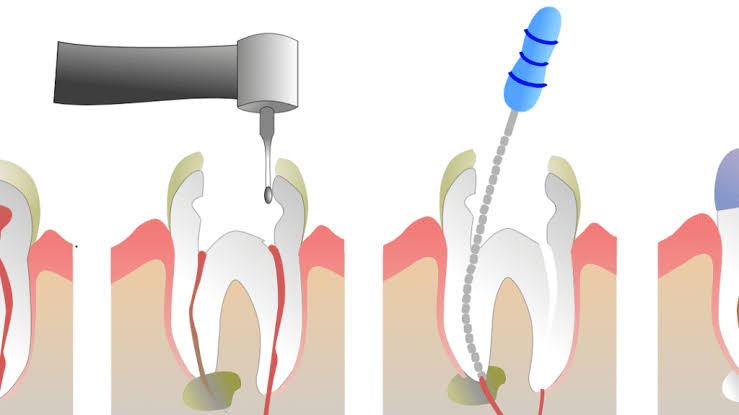
Dental treatments often come with many questions, and root canal therapy is one procedure that people commonly misunderstand. Many patients delay treatment because they believe root canals are painful, complicated, or only needed for severely damaged teeth. However, modern dentistry has improved significantly, making root canal procedures more comfortable and effective.
Table of Contents
- Myth 1: Root Canal Treatment Is Extremely Painful
- Myth 2: You Only Need a Root Canal When You Have Severe Pain
- Myth 3: Removing the Tooth Is Better Than Saving It
- Myth 4: Root Canal Treatment Requires Many Appointments
- Myth 5: A Root Canal Treated Tooth Does Not Need Maintenance
- How Root Canal Treatment Helps Protect Your Smile
- When Should You Visit a Dentist for Tooth Pain?
- Why Professional Diagnosis Matters Before Root Canal Treatment
- Frequently Asked Questions About Root Canal Treatment
- Conclusion
If you are looking for root canal treatment in Agoura Hills, understanding the facts behind common myths can help you make a better decision about your oral health. Root canal therapy is a tooth-saving procedure that helps remove infection from inside the tooth while allowing you to maintain your natural smile. At Agoura Advanced Dentistry, patients receive personalized evaluations to determine the right treatment based on their dental condition.
A tooth infection does not always improve on its own. When bacteria reach the inner pulp of a tooth, it can lead to discomfort, swelling, and damage if left untreated. A dentist may recommend root canal therapy to clean the infected area, protect the tooth, and restore normal function.
Many fears about root canals come from outdated information. Let’s clear up some common myths and understand what patients should really know.
Myth 1: Root Canal Treatment Is Extremely Painful
One of the biggest misconceptions about root canal treatment is that it causes severe pain. In reality, the procedure is designed to remove the source of pain caused by infection or inflammation inside the tooth.
Before starting treatment, dentists use local anesthesia to keep patients comfortable. Most people feel pressure during the procedure but do not experience sharp pain. Some mild sensitivity after treatment is normal and usually improves within a few days.
With modern techniques, advanced dental equipment, and improved patient care methods, pain-free root canal treatment has become more achievable. Dentists now focus on making the experience easier and more comfortable for patients.
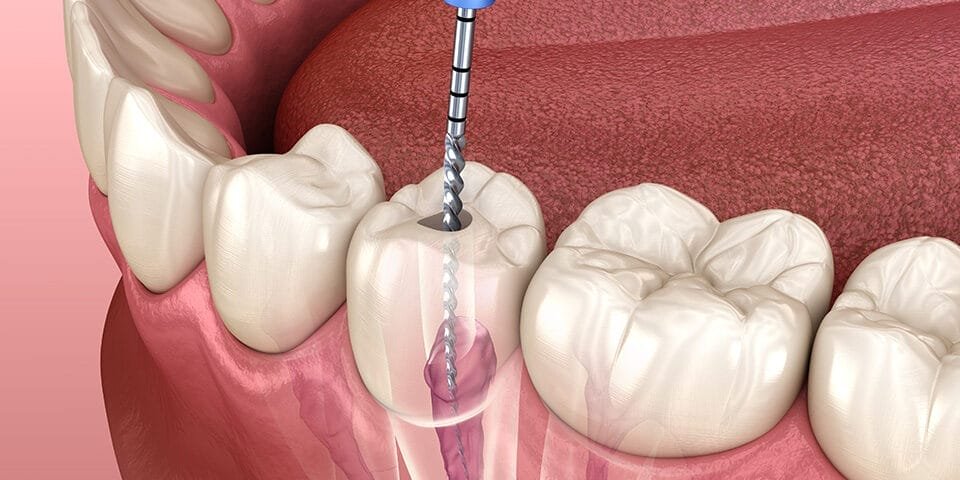
Myth 2: You Only Need a Root Canal When You Have Severe Pain
Many people think a tooth must hurt badly before they need a root canal. However, some dental infections can develop slowly without causing immediate or intense discomfort.
A dentist may recommend root canal therapy when the inner layer of the tooth becomes infected due to:
- Deep tooth decay
- Cracked or damaged teeth
- Previous dental procedures
- Dental injuries
- Untreated cavities
Some warning signs that may require professional evaluation include:
- Long-lasting sensitivity to hot or cold
- Pain while chewing
- Gum swelling near a tooth
- Darkening or discoloration of the tooth
- Repeated dental infections
Regular visits for general dentistry services can help identify dental problems early before they become more serious.
Myth 3: Removing the Tooth Is Better Than Saving It
Some patients believe tooth extraction is always the easiest option when a tooth becomes infected. While extraction may be necessary in certain situations, dentists often try to preserve the natural tooth whenever possible.
A root canal treatment procedure removes the infected tissue while keeping the remaining tooth structure. After the procedure, many patients may need a dental crown after root canal to strengthen and protect the treated tooth.
Preserving natural teeth can help maintain:
- Normal chewing ability
- Proper tooth alignment
- A natural-looking smile
- Long-term oral function
If a tooth cannot be saved, dentists may discuss other options, including dental implants in Agoura Hills, to replace missing teeth and restore function.
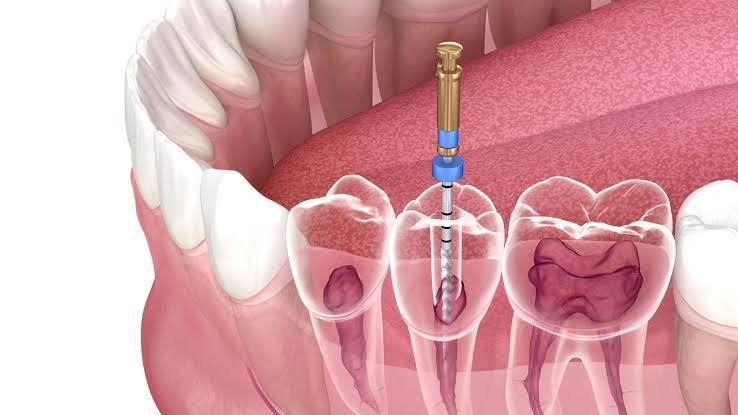
Myth 4: Root Canal Treatment Requires Many Appointments
Another common concern is that root canal therapy takes too much time. The actual treatment process depends on the condition of the tooth, the level of infection, and the complexity of the case.
Some root canal procedures may be completed in a single appointment, while others may require additional visits. During your consultation, the dentist will explain the expected timeline and answer questions about each step.
A complete treatment plan may also include additional procedures, such as:
- Dental fillings for smaller areas of decay
- Dental crowns for tooth protection
- Follow-up examinations to monitor healing
Clear communication helps patients understand their options and feel more confident throughout treatment.
Myth 5: A Root Canal Treated Tooth Does Not Need Maintenance
A treated tooth still requires proper care after a root canal. Although the infection inside the tooth has been removed, maintaining good oral hygiene is important for long-term success.
Patients should continue:
- Brushing twice daily
- Flossing regularly
- Attending routine dental checkups
- Following dentist recommendations
After root canal therapy, a dentist may suggest placing a crown or restoration to prevent the tooth from becoming weak or damaged. Regular preventive care can also reduce the chances of future dental problems.
How Root Canal Treatment Helps Protect Your Smile
The main goal of root canal treatment in Agoura Hills is to save a natural tooth and prevent further complications. Treating an infected tooth early can help avoid more complex procedures in the future.
Some important benefits include:
- Removing infection from inside the tooth
- Reducing discomfort caused by dental problems
- Supporting natural tooth preservation
- Restoring normal chewing function
- Helping maintain overall oral health
Root canal treatment is often part of a larger dental care plan. For example, patients may also need cosmetic dentistry services after treatment to improve the appearance of restored teeth or complete a smile makeover.

Schedule a consultation with Agoura Advanced Dentistry today to discuss your dental concerns and explore suitable treatment options. Visit the Agoura Hills dental office for professional care and personalised guidance.
When Should You Visit a Dentist for Tooth Pain?
Not all tooth pain requires a root canal, but ongoing discomfort should not be ignored. A dental professional can examine the tooth and determine whether the issue is related to infection, decay, sensitivity, or another concern.
You should consider scheduling an appointment if you experience:
- Persistent tooth pain
- Facial or gum swelling
- Sensitivity that continues after eating or drinking
- Pain that affects sleep or daily activities
- A broken or damaged tooth
For sudden dental problems, emergency dentistry services in Agoura Hills may help patients receive timely evaluation and appropriate care.
Why Professional Diagnosis Matters Before Root Canal Treatment
Every dental situation is different. A dentist must evaluate the tooth condition, infection level, and surrounding structures before recommending treatment.
At Agoura Advanced Dentistry, patients can receive a detailed examination and discuss available solutions. Whether you need root canal treatment, restorative care, preventive dentistry, or another dental procedure, a personalised approach helps ensure suitable treatment.
Modern dental care focuses on comfort, safety, and preserving healthy tooth structure whenever possible. Getting treatment at the right time can help prevent small dental issues from becoming larger concerns.
Frequently Asked Questions About Root Canal Treatment
Is root canal treatment safe?
Yes, root canal treatment is a commonly performed dental procedure used to remove infection and protect natural teeth. The dentist evaluates each case to determine whether it is the right option.
How long does a root canal treated tooth last?
With proper dental care, good oral hygiene, and recommended restorations, a treated tooth can continue functioning for many years.
Can I avoid a root canal with a filling?
A filling may help treat smaller cavities, but it cannot repair an infection that has reached the inner pulp of the tooth. A dentist can determine whether a filling or root canal is needed.
What happens if I delay root canal treatment?
Delaying treatment may allow an infection to worsen and may increase the risk of swelling, discomfort, or tooth damage. Early evaluation can help protect your oral health.
Do all tooth infections require a root canal?
Not every infection requires the same treatment. The dentist will assess the condition and recommend the most suitable option based on your needs.
Conclusion
Root canal treatment is not the painful procedure many people imagine. With modern dental methods, it can be a comfortable and effective way to protect your natural tooth and maintain your smile.
Understanding the facts behind common myths can help you feel more prepared when making decisions about your dental care. If you notice tooth pain, sensitivity, swelling, or signs of infection, seeking professional advice early can make treatment easier.
