
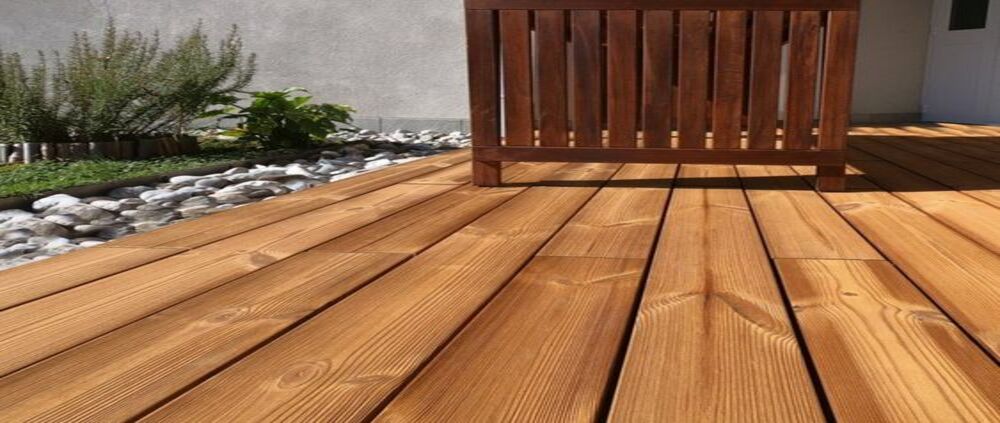
In an era where sustainability and environmental responsibility are at the forefront of architectural and construction practices, sustainable timber cladding solutions have emerged as a preferred choice for builders and homeowners alike. This comprehensive guide delves into the intricacies of sustainable timber cladding, exploring its benefits, types, installation methods, and maintenance practices. We aim to provide you with a detailed understanding that will help you make informed decisions for your next project.
Table of Contents
What is Sustainable Timber Cladding?
Sustainable timber cladding refers to the use of wood sourced from responsibly managed forests and plantations for exterior and interior wall cladding. This practice ensures that the wood used does not contribute to deforestation and has a minimal environmental footprint. Sustainable timber is often certified by organizations such as the Forest Stewardship Council (FSC) or the Programme for the Endorsement of Forest Certification (PEFC), guaranteeing that the timber is harvested in an ecologically responsible manner.
Benefits of Sustainable Timber Cladding
1. Environmental Benefits
Choosing sustainable timber cladding helps reduce the carbon footprint of construction projects. Trees absorb carbon dioxide as they grow, and when harvested responsibly, the carbon remains sequestered in the wood. This makes timber a carbon-neutral building material. Additionally, sustainable forestry practices ensure the regeneration of forests, preserving biodiversity and natural habitats.
2. Aesthetic Appeal
Timber cladding offers a natural and timeless aesthetic that enhances the visual appeal of any structure. The variety of wood species available, such as cedar, larch, and oak, provides diverse options in terms of color, grain, and texture. This versatility allows for unique and customized designs that can complement both traditional and modern architectural styles.
3. Durability and Longevity
When properly treated and maintained, timber cladding is highly durable and can withstand various weather conditions. Some species, like western red cedar and Siberian larch, are naturally resistant to decay and insect infestation, making them ideal for exterior applications. Additionally, advances in wood treatment and finishing technologies have further enhanced the lifespan of timber cladding.
4. Thermal Insulation
Timber is a natural insulator, providing excellent thermal performance. This can contribute to improved energy efficiency in buildings by reducing the need for artificial heating and cooling. As a result, timber cladding can play a significant role in creating more energy-efficient and sustainable buildings.
Types of Sustainable Timber Cladding
1. Horizontal Cladding
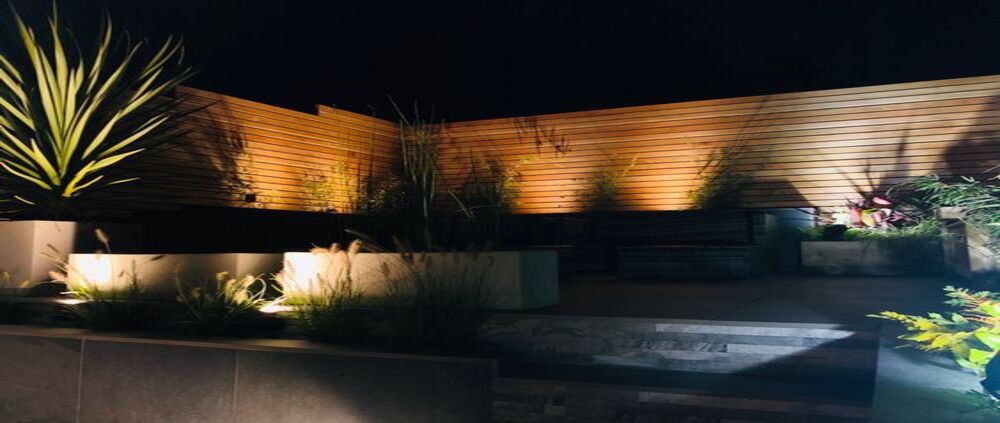
Horizontal cladding, also known as weatherboarding, involves fixing timber boards horizontally to the structure. This method is popular for its classic look and effective weather resistance. The overlapping boards create a barrier that prevents water ingress, making it suitable for various climates.
2. Vertical Cladding
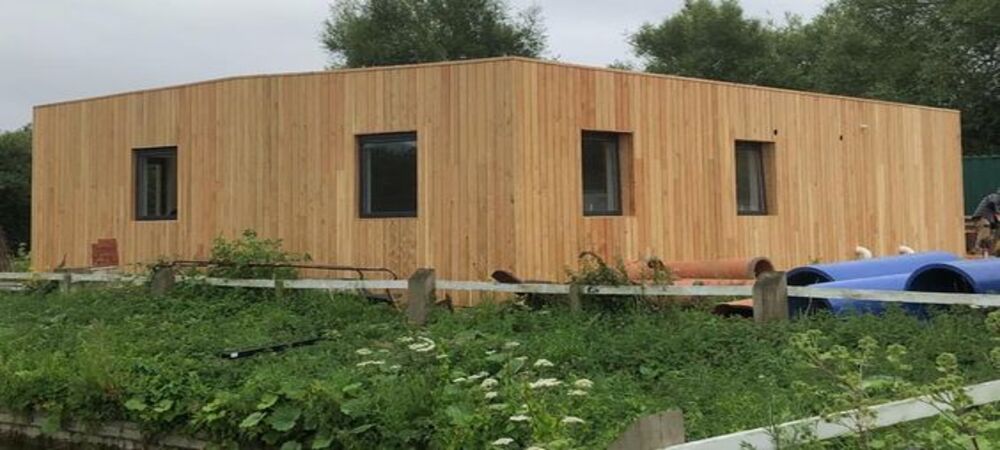
Vertical cladding offers a contemporary aesthetic and is particularly effective at directing water away from the building’s facade. This style can make buildings appear taller and more slender, adding a sleek and modern touch to the design.
3. Shiplap Cladding
Shiplap cladding features boards that overlap in a way that creates a tight seal, providing excellent protection against the elements. This type of cladding is characterized by its smooth lines and can be installed both horizontally and vertically, offering versatility in design.
4. Board-and-Batten Cladding
Board-and-batten cladding combines wide boards with narrower battens that cover the gaps between the boards. This method creates a strong visual impact and is often used in rustic or farmhouse-style buildings. The alternating pattern of boards and battens also enhances the structural integrity of the cladding.
Installation Methods for Timber Cladding
1. Preparation
Before installation, it is crucial to prepare the timber by ensuring it is properly dried and treated. This helps prevent issues such as warping, cracking, and insect damage. It is also essential to prepare the wall surface by installing a suitable vapor barrier and battens to which the cladding will be attached.
2. Fixing Methods
Timber cladding can be fixed using nails, screws, or clips, depending on the type of cladding and the desired finish. Stainless steel or galvanized fixings are recommended to prevent corrosion. The fixing method should allow for natural expansion and contraction of the wood to avoid splitting and warping.
3. Ventilation and Drainage
Proper ventilation behind the cladding is essential to prevent moisture buildup, which can lead to rot and decay. Installing a ventilated cavity behind the cladding allows air to circulate, helping to keep the timber dry. Additionally, incorporating adequate drainage systems ensures that any water that penetrates the cladding can escape, protecting the underlying structure.
Maintenance of Timber Cladding
1. Regular Inspections
Routine inspections are necessary to identify any issues such as cracks, warping, or insect infestations early. Regular checks help ensure the longevity of the cladding and prevent minor problems from escalating into major repairs.
2. Cleaning
Keeping timber cladding clean is essential for maintaining its appearance and preventing the growth of mold and mildew. Washing the cladding with a mild detergent and water at least once a year can help remove dirt and debris. For stubborn stains, a soft brush can be used to gently scrub the surface.
3. Reapplying Finishes
To protect the timber from UV damage and weathering, it is advisable to reapply finishes such as stains, oils, or paints periodically. The frequency of reapplication depends on the type of finish used and the exposure to the elements. Transparent finishes may require more frequent maintenance compared to opaque paints.
4. Addressing Repairs
Any damaged or decayed sections of cladding should be repaired or replaced promptly to prevent further deterioration. Small cracks or holes can be filled with wood filler, while larger damaged boards may need to be replaced entirely. Ensuring proper treatment and sealing of repaired areas is essential to maintain the integrity of the cladding.
Conclusion
Sustainable timber cladding is a versatile, aesthetically pleasing, and environmentally responsible choice for both residential and commercial buildings. By understanding the types of timber cladding, installation methods, and maintenance practices, you can ensure the durability and beauty of your cladding for years to come. Investing in sustainable timber cladding not only enhances the visual appeal of your property but also contributes to the preservation of our natural resources.
