
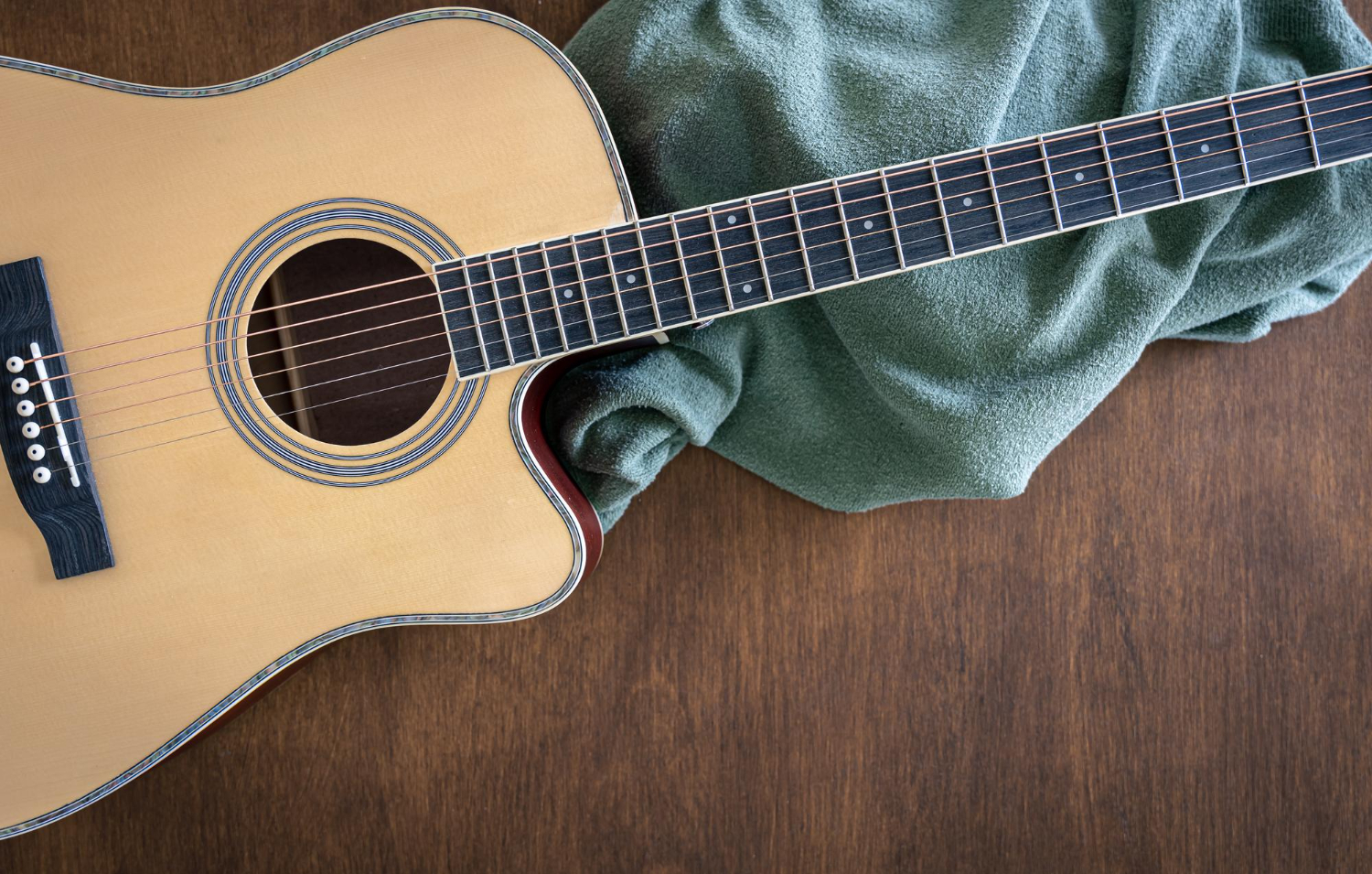
Crafting fine acoustic instruments is both an art and a responsibility. Modern luthiers are increasingly aware that exceptional tone and visual beauty must go hand in hand with ethical sourcing and environmental care. This balance has placed sustainable tonewoods at the centre of contemporary guitar building, especially when selecting koa guitar back and sides that deliver tonal richness while respecting responsible forestry practices.
Table of Contents
- The Growing Importance of Sustainable Tonewoods in Luthiery
- Why Figured Koa Continues to Inspire Luthiers
- Sustainable Harvesting and Responsible Processing
- Comparing Koa with Other Premium Tonewoods
- Selecting High-Quality Koa Sets for Professional Builds
- Craftsmanship Considerations for Figured Koa
- Sustainability and Long-Term Instrument Value
- Meeting the Expectations of Modern Players
- The Future of Sustainable Koa in Guitar Making
- Conclusion
Among the most admired materials in custom guitar construction are carefully selected acoustic guitar back and sides that combine tonal balance, stability, and visual character. Sustainably figured koa, when responsibly harvested and expertly processed, offers luthiers an opportunity to build instruments that resonate musically while aligning with evolving environmental expectations across the world.
The Growing Importance of Sustainable Tonewoods in Luthiery
Sustainability is no longer a secondary consideration for professional builders. Wood selection directly affects sound quality, durability, and the ecological footprint of an instrument. Luthiers today seek materials that are traceable, responsibly sourced, and harvested in a way that supports forest regeneration rather than depletion.
High-quality guitar back & sides tonewood sourced through ethical channels ensures consistency in density and moisture content. This consistency translates into predictable voicing and long-term structural reliability, essential for custom instruments designed to last generations. Sustainable sourcing also builds trust with players who value transparency as much as tone.
Why Figured Koa Continues to Inspire Luthiers
Visual Complexity and Natural Character
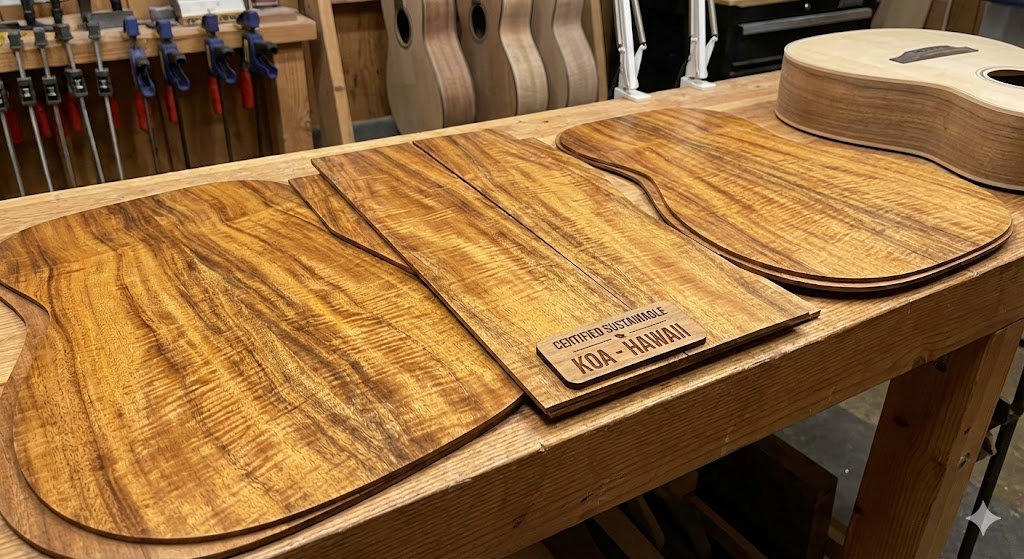
Few tonewoods rival the striking appearance of figured koa guitar back & sides. Curl, flame, and shimmering grain patterns give each set a unique identity, allowing luthiers to create instruments that are as visually expressive as they are sonically refined. No two sets are identical, which appeals to builders producing bespoke guitars.
Tonal Personality and Versatility
From a tonal perspective, koa guitar back & sides are known for a balanced response that evolves over time. Freshly built instruments often display clarity and focus, while extended playing enhances warmth and harmonic richness. This adaptability makes koa suitable for a wide range of playing styles, from fingerstyle to light strumming.
Sustainable Harvesting and Responsible Processing
Ethically sourced koa typically comes from naturally fallen or selectively harvested trees rather than clear-cut operations. This approach protects forest ecosystems while allowing skilled craftspeople access to premium material. Responsible mills emphasize air-drying and careful kiln processes to preserve tonal integrity.
Suppliers such as Pacific Rim Tonewoods prioritize transparency in sourcing and meticulous grading standards, ensuring that luthiers receive sets that meet both acoustic and ethical expectations. This commitment supports builders who want their instruments to reflect craftsmanship with conscience.
Comparing Koa with Other Premium Tonewoods
Koa and Maple in Custom Builds
Many builders compare koa with maple guitar back & sides when selecting materials for clarity and projection. Maple tends to offer a brighter, more immediate response, while koa introduces added warmth and visual depth. Choosing between them often depends on the desired tonal character and aesthetic vision of the instrument.
Koa’s midrange richness can soften aggressive playing, whereas maple excels in articulation and note separation. Both woods benefit from sustainable sourcing, ensuring long-term availability for future builds.
Blending Tradition with Innovation
Modern luthiery often blends traditional tonewood knowledge with innovative design. Using sustainably sourced acoustic guitar back and sides allows builders to honour established tonal profiles while responding to contemporary environmental values. Koa fits seamlessly into this approach due to its tonal flexibility and evolving sound.
Selecting High-Quality Koa Sets for Professional Builds
Choosing the right set involves evaluating grain orientation, figure consistency, and moisture content. Well-prepared guitar back and sides for sale should display even colouring, minimal runout, and structural stability. These factors directly affect how the instrument resonates and ages.
Experienced luthiers often tap and flex each set to assess responsiveness. Premium figured koa typically offers a lively tap tone combined with controlled stiffness, making it ideal for responsive yet balanced instruments.
Craftsmanship Considerations for Figured Koa
Working with Highly Figured Grain
While visually stunning, heavy figure can present challenges during bending and thicknessing. Patience and precise temperature control are essential to prevent cracking. Skilled builders appreciate how figured koa guitar back and sides reward careful handling with exceptional results.
Finishing Techniques That Enhance Depth
Finishing koa requires a thoughtful approach to highlight chatoyance without muting resonance. Clear, thin finishes allow the natural depth of the wood to shine while preserving tonal responsiveness. This balance underscores why koa remains a favourite for showcase instruments.
Sustainability and Long-Term Instrument Value
Instruments built with responsibly sourced materials often carry greater long-term value, both financially and culturally. Players increasingly seek guitars that tell a story of ethical craftsmanship. Using premium guitar back and sides tonewood sourced with care reflects a builder’s commitment to quality beyond sound alone.
Pacific Rim Tonewoods supports this philosophy by offering sustainably harvested koa sets that meet the expectations of discerning luthiers. This alignment between supplier and maker strengthens confidence throughout the build process.
Meeting the Expectations of Modern Players
Today’s musicians are informed and intentional about their purchases. They appreciate transparency regarding materials and sourcing. Guitars built with sustainable koa guitar back and sides resonate not only acoustically but also emotionally, connecting players to the natural origins of their instrument.
This connection enhances brand reputation for builders and deepens player loyalty, especially in a market where authenticity and responsibility matter as much as performance.
The Future of Sustainable Koa in Guitar Making
As forestry practices continue to evolve, sustainable koa is poised to remain a cornerstone of high-end acoustic construction. Thoughtful harvesting and responsible distribution ensure that future generations of luthiers can continue working with this iconic wood.
By choosing reputable suppliers like Pacific Rim Tonewoods, builders contribute to a cycle of responsible use and renewal, preserving both musical heritage and natural resources.
Conclusion
Sustainable figured koa represents a harmonious blend of visual artistry, tonal sophistication, and ethical responsibility. For luthiers committed to excellence, selecting premium acoustic guitar back and sides made from responsibly sourced koa is a statement of values as much as a technical choice. As a highly respected tonewood, figured koa is prized for its stability, consistent resonance, and ability to mature sonically over time, making it a dependable choice for long-term instrument performance.
As the craft of guitar making continues to evolve, materials like figured koa guitar back and sides demonstrate that sustainability and superior sound are not mutually exclusive. They are, in fact, deeply connected, shaping instruments that inspire players today while respecting the forests of tomorrow.
Frequently Asked Questions
How does sustainable koa affect guitar tone?
Sustainably sourced koa offers the same tonal qualities as traditionally harvested wood. Proper drying and processing ensure clarity, balance, and long-term tonal development without compromising sound quality.
Is figured koa suitable for all playing styles?
Yes, the koa guitar back and sides adapt well to various techniques. They provide clarity for fingerstyle playing and warmth for light to moderate strumming, making them versatile for many genres.
How does koa compare to maple in acoustic guitars?
While maple guitar back and sides emphasize brightness and articulation, koa adds warmth and visual depth. The choice depends on the tonal balance and aesthetic a builder wants to achieve.
Does sustainability impact the durability of tonewood?
Responsible harvesting and careful seasoning often improve durability. High-quality guitar back and sides tonewood sourced sustainably tends to be more stable and reliable over time.
Why is figured koa considered a premium material?
The rarity of pronounced figure, combined with tonal versatility and responsible sourcing, makes figured koa guitar back and sides highly valued among professional luthiers and discerning players.
